Subscribe to our newsletter
Enjoy practical advice, real talk, and notification when new resources drop.
Don't Call Home Like You're Pressing Charges: How New Teachers Can Communicate With Families Without Fear, Frustration, or Fake Professionalism
New teachers often fear contacting home, especially when behavior concerns come up. Let us break down how to communicate with families honestly, professionally, and with cultural wisdom - without sounding fake, fearful, or frustrated.
FAMILY COMMUNICATION
Johnny Charles
6/19/20269 min read


Contacting home can feel scary when you are new to teaching.
You got the phone in your hand, the student’s name pulled up, the message halfway typed, and your mind doing too much.
What do I say?
How do I tell the truth without sounding rude?
What if the family gets defensive?
What if they don’t believe me?
What if I say the wrong thing?
What if this whole conversation goes left?
Let’s keep it real.
Family communication is not just a checkbox on your teacher to-do list. It is classroom management. It is culture building. It is documentation. It is relationship work. It is protection. It is partnership.
And when it is done well, contacting home becomes one of the strongest tools you have.
Not because families are supposed to “handle” students for you.
But because students grow best when the adults around them are communicating, paying attention, and moving with the same purpose.
The goal is not to scare families.
The goal is not to embarrass students.
The goal is not to prove you are right.
The goal is growth.
Start With Your Intention
Before you call, email, text, or send that TalkingPoints message, ask yourself one question:
What am I trying to accomplish?
Not what am I feeling.
Not how irritated am I.
Not how tired am I.
Not how many times this child has tested my patience before lunch.
What is the goal?
Are you trying to get the student in trouble?
Or are you trying to help the student grow?
Families can feel the difference.
They can feel when a teacher is calling with punishment energy. They can feel when a teacher is frustrated and looking for backup. They can feel when a teacher has already made up their mind about their child.
But they can also feel when a teacher is calling because they care. They can feel when a teacher wants partnership. They can feel when a teacher sees the child as a whole person and not just a behavior problem.
That does not mean you water down the truth.
It means you deliver the truth with purpose.
Your intention shapes your tone.
Your tone shapes the conversation.
The conversation shapes the partnership.
So before you contact home, check yourself first.
Not in a shame way. In a grown professional way.
Ask:
Am I trying to punish, or am I trying to partner?
That question will save you from a lot of unnecessary conflict.
Bad News Does Not Need Extra Seasoning
Sometimes you have to contact home about behavior. That is part of the job.
But here is where new teachers can get caught up: they start adding emotional seasoning to the message.
Instead of reporting just the facts of what happened, they start interpreting the student’s heart, mind, motives, and future.
That is how a message goes from professional to personal real quick.
Stay with the facts.
Facts are your friend.
Say what happened.
Say when it happened.
Say what direction was given.
Say what the student did.
Say how it impacted learning.
Say what the next step is.
Leave the extra out.
Instead of saying:
“Your child was disrespectful and trying to ruin class.”
Try:
“Today during independent work time, your child spoke loudly over directions three times and continued after redirection. This made it difficult for nearby students to focus.”
That second message is clearer, calmer, and harder to argue with because you are not attacking the student’s character. You are describing the behavior.
That matters.
Because families do not want to feel like you are dragging their child. They want to understand what happened and what needs to change.
So stay grounded.
Use facts, not feelings.
A strong message sounds like:
“Here is what happened.”
“Here is why it matters.”
“Here is what I already tried.”
“Here is what I need moving forward.”
“Here is how we can support the student.”
That is professional.
That is clear.
That is effective.
Don’t Wait Until There’s Smoke to Build the Relationship
The best time to contact home is before something goes wrong.
That is the part a lot of new teachers miss.
If the first time a family hears from you is because their child messed up, they may already be on defense. Not because they are difficult. Not because they do not care. But because nobody wants to receive a message that makes them feel like their child is only being noticed for problems.
Positive communication builds trust.
It tells families:
“I see your child.”
“I notice effort.”
“I notice growth.”
“I notice more than mistakes.”
“I am not just here when something goes wrong.”
Positive messages do not have to be long.
You can celebrate:
effort
improvement
kindness
leadership
participation
perseverance
academic growth
helping a classmate
asking a strong question
showing maturity
bouncing back after a hard day
A quick message can change everything.
“Good afternoon, I just wanted to let you know that Jaquan had a strong day today. He stayed focused during group work and helped his table get started. I wanted you to hear that from me.”
That is it.
That family may read that message at work, in the car, at the kitchen table, or after a long day and think, “Somebody sees my child.”
That matters.
And later, if you have to send a concern, that family is more likely to trust that you are not just picking on their child. They already know you notice the good.
“But I’m Overwhelmed”
Of course you are.
Teaching is a lot.
You are planning lessons, grading work, redirecting behavior, answering emails, learning systems, managing personalities, trying to eat lunch in seven minutes, and somehow still expected to remember who needs a pencil, who needs a retake, who needs a counselor, and who left their hoodie in your room.
So yes, sending positive messages can feel like one more thing.
But here is the truth: communication saves stress later.
You do not have to contact every family every week. You do not have to become a motivational texting machine. You do not have to write paragraphs like you are submitting scholarship recommendations.
Start small.
One positive message a week.
Three positive messages a month.
A few each quarter.
One class period at a time.
One student at a time.
Do what is realistic and repeatable.
Consistency beats perfection.
A small system you actually use is better than a big plan you abandon by September 12.
When Families Get Defensive
At some point, it may happen.
A parent may get defensive.
A caregiver may question you.
A family member may push back.
Somebody may say, “Well, my child said…”
Somebody may act like you are the problem before they fully hear the situation.
Do not panic.
Defensiveness does not automatically mean the conversation failed.
Families protect their children. That is natural. And sometimes when they hear difficult information, they feel surprised, embarrassed, hurt, powerless, or frustrated. Sometimes they have had bad experiences with schools before. Sometimes they are carrying stress you know nothing about. Sometimes they are reacting to more than just your message.
Your first move should not be argument.
Your first move should be understanding.
Listen first.
Let them finish.
Acknowledge what you hear.
Clarify the facts.
Return to the shared goal.
You can say:
“I hear your concern.”
“I appreciate you sharing that with me.”
“I understand why that would be frustrating.”
“My goal is not to label your child. My goal is to support their success.”
“I want us working together so your child can grow from this.”
That does not mean you let anyone disrespect you.
You can be calm and still have boundaries.
You can be professional and still be firm.
You can listen without folding.
That is grown-teacher energy.
Don’t Contact Home Like a Prosecuting Attorney
Some teacher messages sound like closing arguments in court.
“On today’s date, during the instructional block, your student willfully refused to comply with directive number three…”
Now listen.
Documentation matters. Facts matter. Professionalism matters.
But families are people, not case files.
You do not need to write like you are trying to win a trial.
You need to write like you are trying to build a bridge.
A strong family message should be clear, human, and solution-focused.
Try this structure:
Greeting: Start respectfully.
Observation: Say what happened.
Impact: Explain why it matters.
Support: Share what you tried or what you need.
Next step: Invite partnership.
Example:
“Good afternoon, I wanted to reach out about class today. During independent work, Malik had a hard time staying focused and continued talking after redirection. This made it difficult for him and others to complete the assignment. I will check in with him tomorrow before work time begins. Please let me know if there is anything helpful I should know so we can support him together.”
That message is not weak.
It is clear.
It is respectful.
It is documented.
It gives the family something to respond to.
It keeps the student’s growth at the center.
That is the move.
How Often Should You Contact Home?
There is no perfect number.
But families usually appreciate being informed more than being left in the dark.
The key is having a rhythm.
For positive communication, try mixing whole-class updates with individual praise.
Whole-class messages can include:
what students are learning
upcoming assessments
major projects
skills being practiced
ways families can support at home
important reminders
celebrations from the class
Individual positive messages can focus on a few students each week.
You are not trying to write a novel. You are trying to build trust over time.
For behavior concerns, do not contact home for every small thing unless your school system requires it.
Look for patterns.
A concern is worth contacting home about when it:
happens repeatedly
continues after redirection
impacts learning
disrupts others
shows a pattern
needs support beyond the classroom
Families should not be blindsided after a behavior has been building for weeks.
Do not wait until you are fed up to reach out.
That is when your tone gets shaky.
Reach out early enough that the conversation can still be about support, not damage control.
Document Like Your Future Self Needs Receipts
Documentation is not about being paranoid.
It is about being professional.
A clear communication record helps you:
track patterns
follow discipline steps
support student growth
prepare for meetings
communicate with admin or counselors
show family outreach attempts
protect yourself if questions come up
Write down:
date
time
student name
family contact name
method of contact
reason for contact
summary of conversation
next steps
And here is a strong habit: after a phone call or in-person conversation, send a brief follow-up message.
Example:
“Thank you for speaking with me today about classroom focus. I appreciate your support. We discussed checking in this week, monitoring progress, and reconnecting if the behavior continues.”
That message is professional and respectful. It also creates a written record of what was discussed.
That is not doing too much.
That is protecting the work.
Phone Call, Email, or Messaging App?
Use the tool that fits the situation and the family.
Phone calls are good for personal connection, tone, and more sensitive conversations.
Emails are good for clarity, documentation, and detailed updates.
Messaging apps like TalkingPoints are good for quick communication, accessibility, and translation support.
The best method is the one the family can actually access.
Some caregivers cannot answer calls during work hours. Some prefer text. Some need translation. Some may not check email often. Some may want everything in writing.
Flexibility matters.
Professional communication is not about using your favorite method.
It is about reaching families in a way that works.
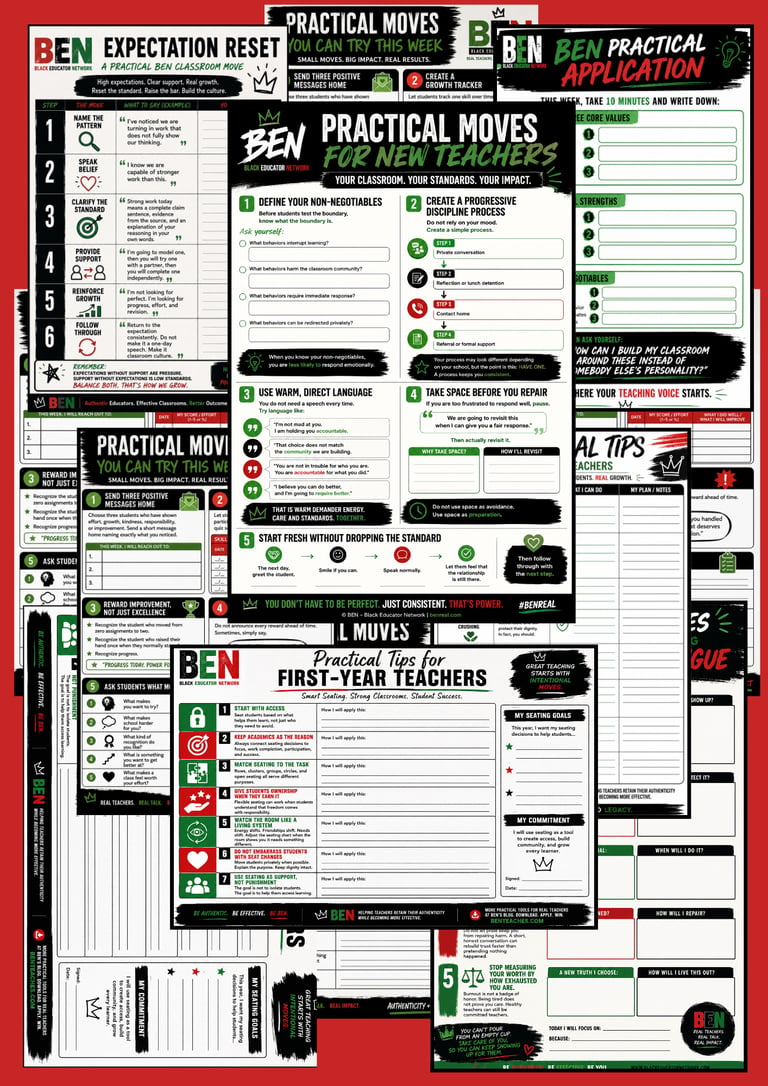
Practical Moves for New Teachers
Before you contact home, do these six things:
1. Check your intention.
Lead with growth, not punishment.
2. Start positive early.
Do not let your first message be a problem.
3. Stick to facts.
Describe the behavior without attacking the child.
4. Listen when families push back.
Defensiveness does not mean the conversation is over.
5. Document everything important.
Your future self will thank you.
6. Stay consistent.
Trust is built through rhythm, not random outreach.
Final Reflection
Contacting home does not have to feel like walking into a fight.
It can become one of the most powerful habits in your teaching practice.
When families know you are honest, respectful, observant, and solution-focused, communication gets easier.
When communication gets easier, accountability gets stronger.
When accountability gets stronger, classroom culture improves.
And when school and home start moving with the same purpose, students feel that.
They may not always say it.
They may not always act like they appreciate it.
But they know when the adults are paying attention.
So do not call home like you are pressing charges.
Call home like you are building partnership.
Tell the truth.
Keep your tone clean.
Document the work.
Notice the good.
Address the hard stuff early.
And remember: effective communication is not about losing your voice.
It is about using your voice with wisdom.
That is BEN work. That is keeping it real.